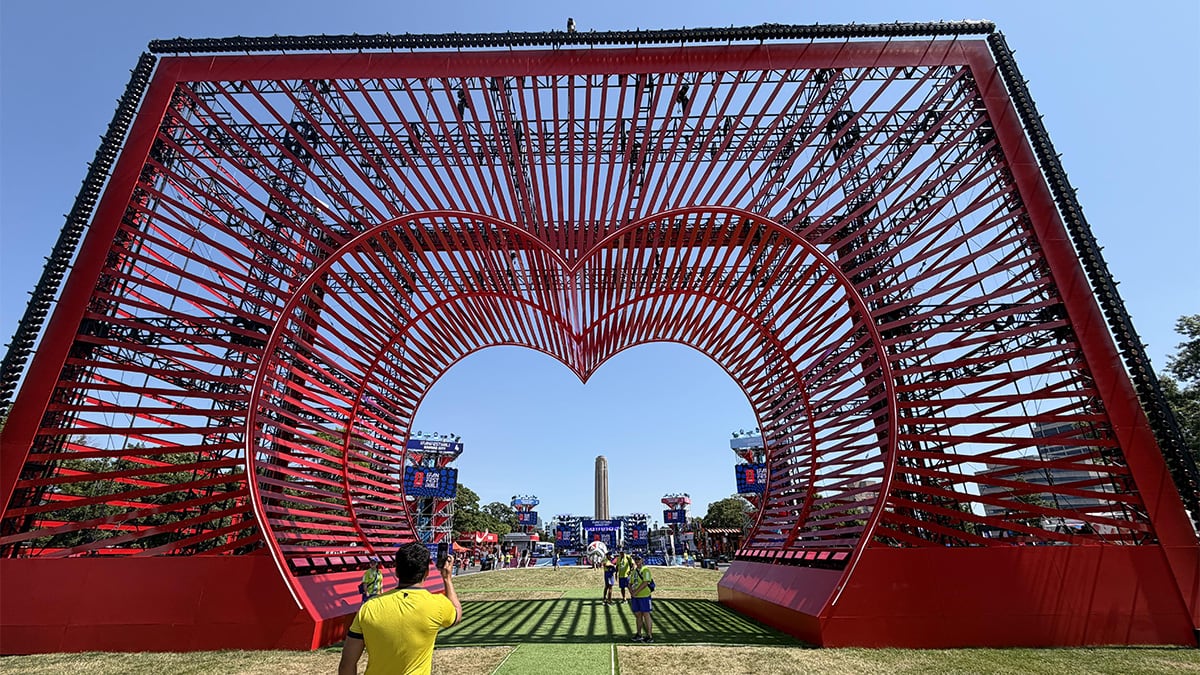


Miami has “long cast itself as the capital of Latin America” and by doing so, the city has become “home to some of the biggest -- and rowdiest -- events in South American and Caribbean sports, including the World Cup, according to Patricia Mazzei of the N.Y. TIMES. World Baseball Classic games held in Miami this spring, including the final between Venezuela and the U.S., “drew sellout crowds that turned the Marlins’ stadium in the city’s Little Havana neighborhood into raucous parties.” The Copa América tournament final between Argentina and Colombia two years ago “devolved into mayhem as some ticketless fans tried to force their way" into Hard Rock Stadium. That tournament was not run by FIFA, but the “debacle still led to questions about whether the stadium would be better prepared to handle even bigger crowds this year.” FIFA “put stringent protocols in place.” Fans without a parking pass “are not allowed to walk into the stadium.” Instead, those fans “must take off-site shuttles that require a match ticket to board.” The “biggest test” of those protocols was Saturday’s match between Colombia and Portugal, which had reportedly “drawn the highest demand for tickets of any match ahead of the tournament.” On Saturday, fans were “relieved to enter the stadium without incident” (N.Y. TIMES, 6/27).
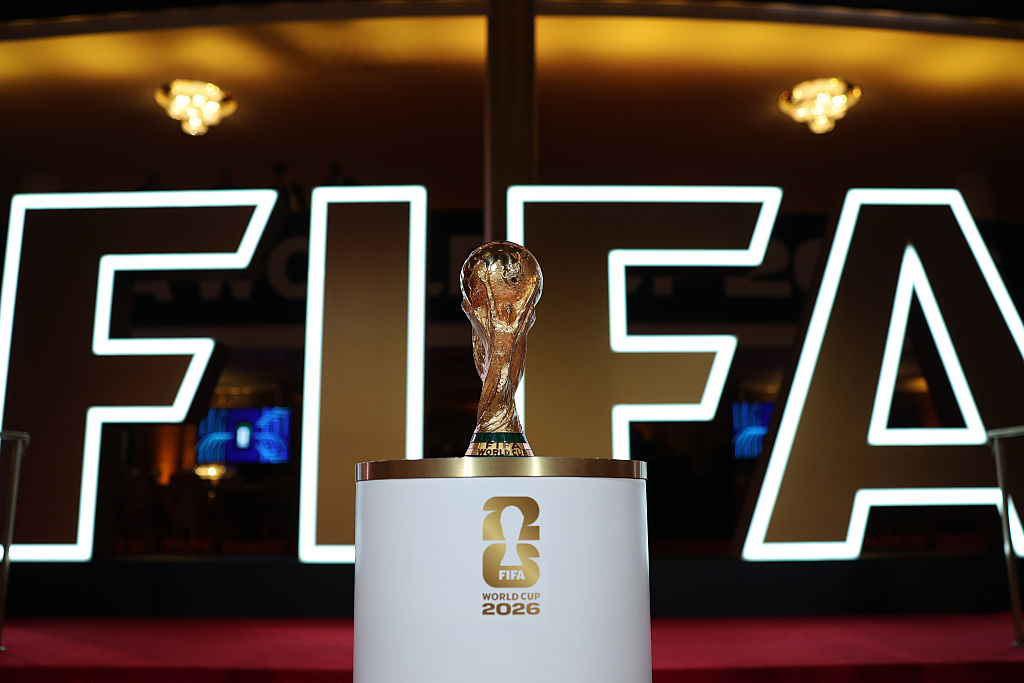
HYPE CHECK: THE ATHLETIC’s Sergio Gonzalez wrote the Colombia-Portugal match was perhaps the “most anticipated” group match, with the “highest ticket prices and premium demand.” FIFA sources said that there were “more than 20 million ticket requests for this match.” Ticket prices “surged to more than $3,000.” The lowest price to this year’s Super Bowl was just north of $2,000. There were tickets “well into the five-digit range.” Among those there to support Portugal were “Americans and fans from other Latin American countries.” There were “fans from nations that did not make this year’s World Cup like Chile and Peru, as well as from many flags and jerseys representing central American nations.” There were even “Colombian fans with yellow and red split shirts, who swore allegiance to their beloved Colombia, but wanted to pay their respect to one of the legends of the game” (THE ATHLETIC, 6/28).
CLEAN FINISH: THE ATHLETIC’s Dan Sheldon wrote some people were “initially concerned about a repeat of the Copa America final.” Sheldon: “Following the terrible scenes and apparent lack of organisation for the Copa America showpiece … FIFA knew it would be under the microscope when it came to Miami Stadium.” FIFA, in collaboration with local authorities, “meticulously planned how tens of thousands of supporters would arrive and leave.” Part of that plan included “creating a ring of steel around the stadium by adding a third security perimeter.” All World Cup venues have two security perimeters, but Miami, “given its previous issues, has three.” For the World Cup, Mexico City and Guadalajara are the only other two grounds with three checkpoints, and it includes a “further visual check to ensure people have tickets.” Sheldon: “Despite the planning and the drone flying overhead to ensure supporters were flowing through the checkpoints and turnstiles, this game between Colombia and Portugal -- which finished in a goalless draw -- was a major test, given the scale of interest in the fixture.” For FIFA and the local authorities, it went “as smoothly as they could have hoped for” (THE ATHLETIC, 6/28).